Books
Joyce Carol Oates: Letters to a Biographer
In this generous selection of Joyce Carol Oates’s letters to her biographer and friend Greg Johnson, readers will discover a never-before-seen dimension of her phenomenal talent.
A Joyce Carol Oates Patchwork



In this generous selection of Joyce Carol Oates’s letters to her biographer and friend Greg Johnson, readers will discover a never-before-seen dimension of her phenomenal talent.

The stories not only bleed across the categorical boundaries they have been assigned, but also expand the scope of what is terrifying about the body—living or dead, human or nonhuman—in the first place.

“Pushing things to extremes is Oates’ literary modus operandi, especially when it comes to the myriad betrayals of the mind and body. In her latest collection of macabre short stories, she extends the traditions of Edgar Allan Poe and Shirley Jackson in her own unique arias performed by characters assailed by mental illness and intent on destruction…. High-pitched, unnerving, and incisive.”

The Glass Ark is a bibliography of works by and about Joyce Carol Oates, covering her entire career, from the 1950’s to the present.

As the editor and publisher of the distinguished literary magazine Ontario Review and of Ontario Review Press, and as the husband of novelist Joyce Carol Oates, Ray led a rich and full life devoted not only to his work and his marriage but also to numerous friends in the Princeton area and beyond.
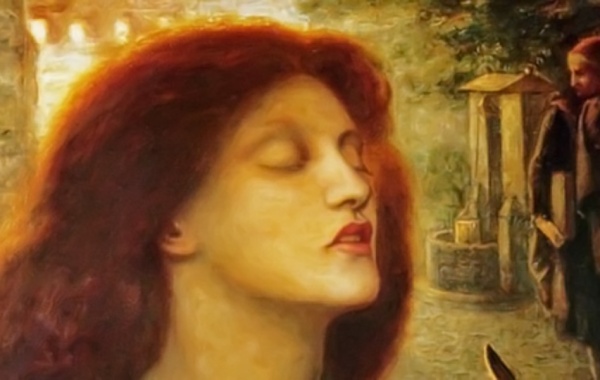
First published in Epoch, Fall 1966. Included in Prize Stories: O Henry Award Winners (1968), and The Best American Short Stories (1967). First collected in The Wheel of Love and Other Stories. INFORMATION […]

See also: Recently published stories, essays, poems, and other articles by Joyce Carol Oates. Joyce Carol Oates: Letters to a Biographer Edited by Greg Johnson Expected publication date: March 5, […]
From one of our most accomplished storytellers, an extraordinary and arresting novel about a women’s asylum in the 19th century, and a terrifying doctor who wants to change the world.

This occurred early in the second year of The Edict, when the first wave of arrests, fines and imprisonments, and frequent deaths had run their course; and all but the most desperate women were likely to accept the new conditions, and have their babies, as The Moral Law of The Land decreed.

Because you gaze upon me with pity and contempt, thinking—Oh she is a monster! She is nothing like me.
But I am like you. In my heart that is without pity, I am you.

“Still, the earth is your place. A tidy grave site measured to your size. Or, from another angle of vision, one vast democratic grave.”
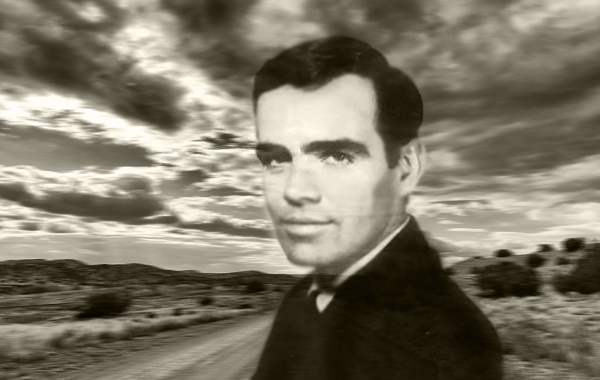
“he is a titan of literature fierce & indomitable as a tornado”
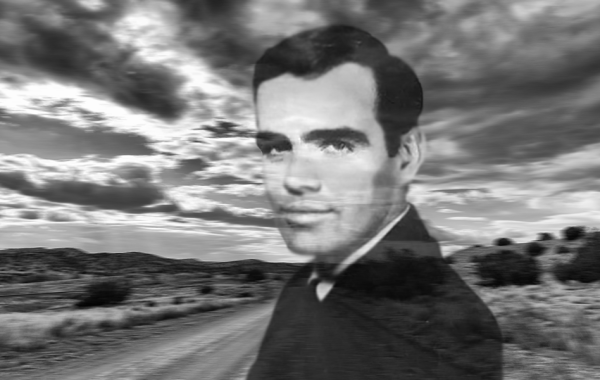
Blood Meridian and the Border Trilogy are counterpoised: the one a furious debunking of the legendary West, the other a subdued, humane, and subtle exploration of the tangled roots of such legends of the West as they abide in the human heart. Whereas Blood Meridian scorns any idealism except the jeremiad—“War is god”—the interlinked novels of the Border Trilogy testify to the quixotic idealism that celebrates friendship, brotherhood, loyalty, the integrity of the cowboy-worker as one whose life is bound up with animals in a harsh, exhausting, and dangerous environment.

Mysteries of Winterthurn is a work of haunting intensity, brilliantly conceived and executed, a terrifying portrait of a fallen world. And yet, as one senses the presence of light in the empirical datum of darkness, this phenomenology of the demonic hints at a mysterious presence of quite another kind, the ultimate paradox that shatters all finite categories of reason.

Oates paints a dark vision of America as a land where love of money is the root of everything and people are doomed to repeat their crimes. Oates, who rarely falters throughout this epic, does offer glimmers of justice and hope. But ultimately she has written an American tragedy.

So much more than the kind of standard-issue unreliable narrator, Georgene is a vastly complex character whose every word, every use of parentheses and italics, must be examined closely for intent. A thematically and stylistically ambitious novel that displays the author’s literary gifts to their maximum effect.

Oates paints an unflinching portrait of 1970s upper-middle-class America, touching on issues of racism, classism, and institutional abuse while exploring society’s tendency to value women solely in relation to the role they fill—be it wife, mother, or sexual object. A searing work of slow-burning domestic noir.

Oates typically leads her readers to focus on one plot element, while subtly rearranging the emotional landscape, leaving them in exhilaratingly uncharted territory. Spanning the first 30 years of Oates’s writing career, these stories aren’t for the faint of heart, but they’re a joy for anyone who appreciates the work of a master storyteller.

This is such a terrible story. It’s a story I have told a dozen times, never knowing why. Why I can’t forget it, I mean. Why it’s lodged so deep in me … like an arrow through the neck.

The six stories in the collection show Oates’ mastery of the form, across grisly body horror, experimental reflection, deep character study and sharp revenge fantasy. Across widely varying tone, from black comedy to utterly chilling, Oates is a writer utterly in command of her voice.

The stories comprising Night, Neon showcase Oates’ mastery of the suspense story―and her relentless use of the form to conduct unapologetically honest explorations of American identity.

“Breathe” is a fever dream of a novel, and it’s as an allegory of grief that it most sparkles.

Two Calls for Papers: 1. Specters of Feminism in the Work of Joyce Carol Oates International Conference at Aix-Marseille Université Short proposals of approximately 300 words should be submitted by […]
 Celestial Timepiece